

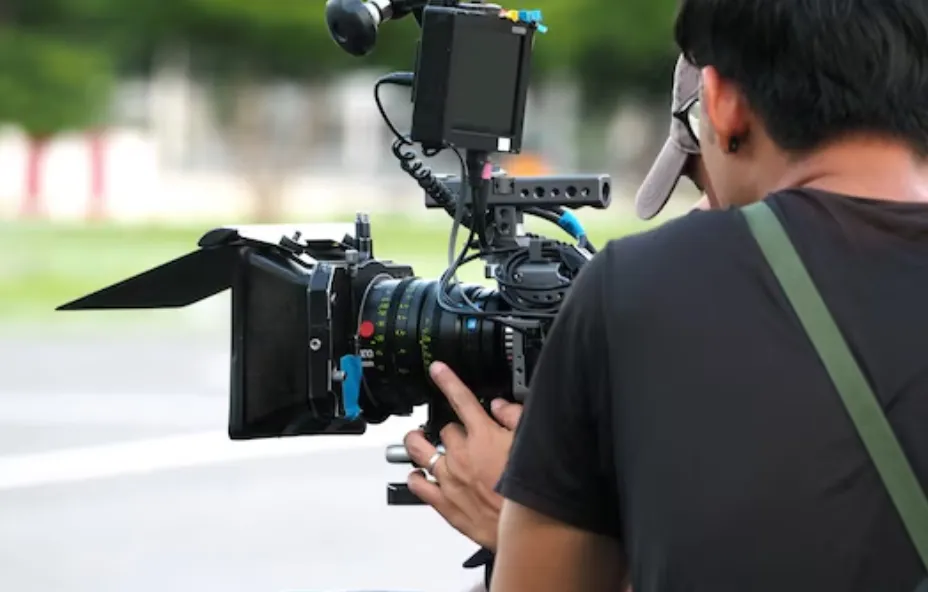
Filming across several South Korean cities can add visual variety and stronger regional context, but it also increases logistical pressure. International teams often hire a fixer in South Korea to help coordinate travel, locations, contributors, and local arrangements across different parts of the country.
A multi-city production needs more than a longer schedule. Each destination may involve different travel times, access conditions, accommodation needs, and filming opportunities, so the route must be planned as carefully as the creative brief.
Design the Route First
The order of locations can have a major impact on efficiency. Crews should consider travel distance, available transport, contributor timing, and the amount of equipment moving between cities before finalising the shooting sequence.
A route that looks logical geographically may not always work operationally. Interview availability or location restrictions can make a different order more practical, particularly when the crew has only a limited number of production days.
Coordinate Each Region Carefully
A field producer South Korea production team can help keep different locations connected to one overall schedule. This may involve confirming interviews, checking access, coordinating drivers, and keeping local contacts updated as the crew moves between regions.
Central coordination also helps prevent small communication gaps. When contributors, transport providers, and crew members receive the same information, last-minute changes are easier to manage without affecting the entire production.
Avoid Overloading Travel Days
Travel days often appear productive on paper because teams try to combine long transfers with interviews or location shoots. In reality, delays, equipment handling, and check-in times can make these days unpredictable.
Important interviews should not be placed immediately after complicated journeys unless enough buffer has been allowed. Protecting key filming windows is usually more valuable than squeezing one extra activity into an already crowded day.
Plan Equipment Movement
Camera, lighting, audio, and grip equipment can become difficult to manage when a crew changes hotels or transport repeatedly. Cases need secure storage, suitable vehicles, and enough time for loading and unloading.
Productions should decide which equipment needs to travel everywhere and which items can be sourced locally. A smaller travelling package can make regional movement faster while reducing unnecessary handling.
Consider Regional Accommodation
Accommodation should be chosen for production convenience, not only price. Distance from filming locations, vehicle access, secure equipment storage, and early departure requirements can all affect whether a hotel is practical.
Staying closer to the next day’s first location can reduce morning travel and protect call times. This becomes especially useful when the crew needs to begin filming at sunrise or before businesses and public areas become busy.
Prepare Local Contacts Early
Regional shoots may require communication with property owners, businesses, community representatives, institutions, or contributors who have never worked with an international crew before.
Clear information about the project, expected filming time, crew size, and equipment helps local contacts prepare. Early communication can also reveal restrictions that would be difficult to solve once the crew is already travelling.
Keep the Schedule Flexible
Weather, transport disruption, contributor changes, and location availability can affect a multi-city production more severely than a single-location shoot. One delayed day can influence several later bookings.
A flexible schedule should include alternative filming options where possible. Secondary locations or adaptable interview windows can help the team keep working even when the original plan changes unexpectedly.
Maintain Consistent Production Standards
Different locations should still feel like part of the same project. Camera settings, lighting approach, sound quality, contributor releases, file management, and production notes need consistent handling across the entire shoot.
Creating clear technical and organisational procedures before departure helps maintain that consistency. It also makes post-production easier when footage from several cities needs to be combined into one coherent story.
Protect Time for Regional Detail
Multi-city productions should not treat each destination as a simple background change. Regional architecture, transport, workplaces, landscapes, food, signage, and everyday activity can help audiences understand how each place differs.
Allowing time for these details gives editors stronger visual transitions. It also helps the finished production feel genuinely rooted in the places being filmed rather than simply moving through them.
Conclusion
Filming across multiple South Korean cities can add depth, variety, and valuable regional perspective to an international production. The challenge is keeping travel, contributors, equipment, accommodation, and local access organised without allowing logistics to dominate the creative work.
A carefully planned route, realistic travel windows, clear communication, and flexible scheduling can make regional production far more manageable. When those elements work together, crews can concentrate on capturing what makes each location distinctive while still maintaining a consistent standard across the entire project.
